
Look, I’ve spent way too much money over the years on shoes that looked incredible on the shelf but turned my feet into a blistered mess by mile three. If you’ve ever finished a loop and felt like your arches were screaming or your knees were taking a literal jackhammering, you’re probably running in “dead tech.” Most people are still hitting the pavement in outdated, stiff foam that basically just eats your energy instead of giving it back.
Finding the best running shoes isn’t about the hype or the loudest colorway. It’s about finding a “chassis” that actually works with how you move. Whether you’re grinding out treadmill intervals or training for a half-marathon, the right pair is the difference between a runner’s high and a week on the foam roller.
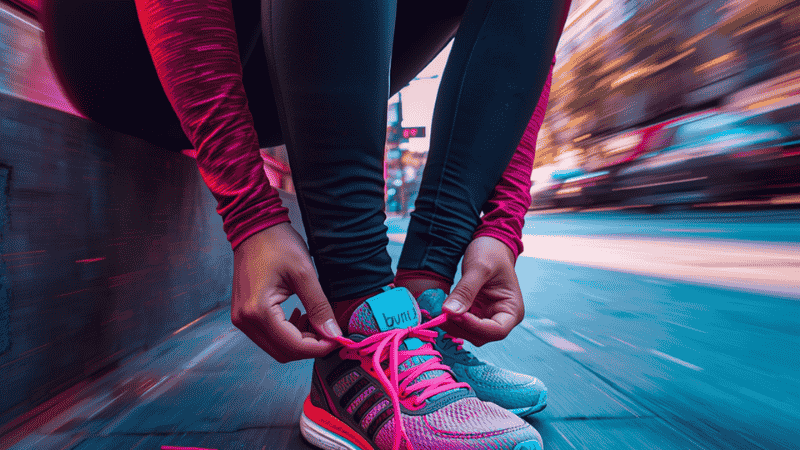
The Reality of 2026 Tech: It’s All About the Bounce
We’ve officially entered the era of the “Super Trainer.” We’re talking about shoes that take that elite, springy foam from $300 carbon racers and put it into a package you can actually wear every day without feeling like you’re walking on stilts.
When you’re gear-hunting, skip the marketing fluff and look for these three things:
- The “Pop”: You want PEBA or nitrogen-infused midsoles. Unlike old-school EVA foam that feels like a wet sponge after two months, these materials actually snap back. It makes your legs feel “fresh” even when you’re deep into a workout.
- Stack Height vs. Stability: We’re seeing massive soles now (40mm+). It’s great for saving your joints, but make sure the base is wide. You don’t want to feel like you’re going to roll an ankle the second you hit an uneven sidewalk.
- Lockdown and Breathability: In the heat of a US summer, your feet are going to swell. A double-layer engineered mesh is non-negotiable—it needs to stretch enough to be comfortable but stay tight enough so your heel doesn’t slip when you pick up the pace.
2026 Comparison Matrix: Performance at a Glance
| Feature | ASICS Superblast 3 | Saucony Kinvara 16 | NB 1080 v15 |
| Primary Use | Daily/Tempo | Gym/Hybrid | Distance/Recovery |
| Comfort | High (Bouncy) | Moderate (Firm) | Elite (Plush) |
| Breathability | 9/10 | 10/10 | 8/10 |
| Flexibility | Moderate | High | Low/Rolling |
| Durability | 400+ Miles | 300+ Miles | 450+ Miles |
The Rotation: My Top Picks for 2026
Best Overall: ASICS Superblast 3
This is the “God Tier” of daily trainers right now. It uses the FF Leap foam from their top-tier racers but skips the stiff plate.
- The Feel: It looks bulky, but it’s shockingly light. It’s got this bouncy, protective ride that doesn’t “bottom out” halfway through a long run. I’ve taken these on 10-mile recovery runs and felt like I could go another five.
- The Verdict: If you only want to buy one pair of shoes this year for everything from slow miles to tempo work, this is it.
Best for Gym & Hybrid Sessions: Saucony Kinvara 16
If your “run” is usually a couple of miles before hitting the squat rack or doing some plyos, you cannot wear a max-cushion shoe. You’ll be too wobbly. The Kinvara 16 is low, lean, and actually bends with your foot.
- The Feel: It’s thin, grounded, and agile. The fabric feels almost like a second skin. It’s one of the few shoes that doesn’t feel clunky when you’re doing box jumps or lunges.
- The Verdict: Perfect for the person who spends as much time on the turf as they do on the treadmill.
Best for Pure Running & Distance: New Balance 1080 v15
New Balance finally perfected their Infinion foam. It’s no longer that “mushy” softness that leaves your feet feeling tired; it’s resilient.
- The Feel: The 6mm drop is the sweet spot. It takes the edge off your Achilles and calves without feeling “slapped” onto the pavement. The durability is also wild—these things easily go 400+ miles before the foam starts to quit.
- The Verdict: This is your “old reliable.” It’s for the high-volume runner who just wants to protect their joints.
What Most Activewear Guides Get Wrong
Most blogs just parrot the manufacturer’s spec sheet. Here is what they won’t tell you:
- Fashion vs. Friction: A shoe can look “streetwear cool” and have a heel collar that shreds your Achilles in ten minutes. 2026 tech focuses on Heel Flaring—look for shoes that angle away from the tendon to prevent friction.
- The “Lifting” Lie: Many guides say you can run in cross-trainers. You can, but the lack of energy return in a flat lifting shoe will eventually lead to shin splints if you’re doing more than a mile.
- The Foam Shelf-Life: Brands say shoes last 500 miles. In reality, if you are a “heavy” runner (200lbs+), that nitrogen foam might lose its “pop” at 250 miles. Listen to your joints, not the marketing.
Real-World Lessons (The Hard Way)
The “Swamp Foot” Factor
I remember a July run in DC—90% humidity. I was wearing a pair of “aesthetic” knit shoes. Within 20 minutes, the fabric soaked up my sweat like a towel, became heavy, and started rubbing my pinky toe raw.
- The Lesson: The New Balance 1080 v15 mesh actually breathes. It lets heat escape rather than trapping it. If you run in the heat, the upper material is just as important as the foam.
The Treadmill-to-Turf Trap
I once tried to do a “Hybrid” class in a pair of high-stack marathon shoes. I felt great on the 1% incline sprints, but the second I jumped off to do weighted lateral lunges, I almost snapped an ankle. The foam was too squishy for side-to-side movement.
- The Lesson: Use the Saucony Kinvara 16 for those days. You need that lower center of gravity so you’re not fighting the shoe just to stay upright.
The Full Kit: Why Your Clothes Matter
You can buy the $200 shoes, but if your gear is trash, you’re still going to have a bad time.
- The Chafing Struggle: Baggy, heavy cotton shorts are the enemy. Once they get wet, they get heavy and start pulling at your waist, which actually messes with your stride. Switch to 5″ moisture-wicking lined shorts. They stay out of the way and keep everything secure.
- The Sock Rule: Never, ever wear 100% cotton socks. They trap sweat, cause friction, and make even the most breathable shoe feel like a sauna. Go for a synthetic/merino blend. It keeps the shoe’s “lockdown” feeling tight and keeps your skin dry.
[Internal Link: Pair these shoes with the Best Compression Socks for Running to maximize foot health.]
FAQ
1. When should I actually toss my shoes? Even with 2026 tech, foam dies. If you start feeling a “twinge” in your shins or the bottom of the shoe feels hard like plastic, they’re done. Usually, that’s around the 400-mile mark.
2. Can I wear my runners for heavy lifting? I wouldn’t. Squatting in running foam is like trying to lift weights on a mattress. If you’re doing a leg day, wear flat shoes or just go barefoot. For a general “bodyweight” gym day, a low-profile shoe like the Kinvara is fine.
3. Is “Max Cushion” just a fad? No, it’s a lifesaver. For most of us who aren’t pro athletes, that extra 40mm of foam (like in the ASICS Superblast) means we can run on Monday and not feel like our legs are made of lead on Tuesday. Consistent training beats “feeling the ground” every time.
4. Why are my running shoes making my feet go numb? Usually, this is a lacing issue or a shoe that is too narrow. As you run, your feet swell. If your best running shoes don’t have a wide enough toe box, they’ll compress the nerves in your forefoot. Try the “Runner’s Loop” lacing technique to secure your heel without over-tightening the bridge.