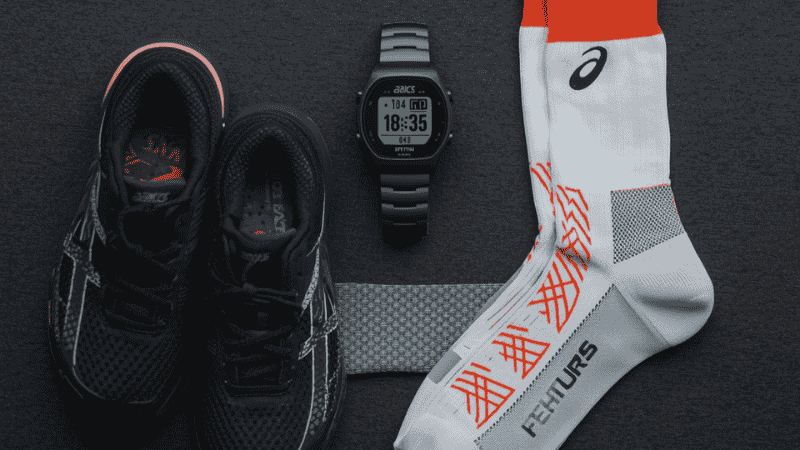
It’s the classic $200 mistake: you drop a small fortune on the latest carbon-plated “super shoes,” but by mile four, your arches are on fire and your toes feel like they’re swimming in a swamp. If you’re still grabbing those multi-pack cotton socks from a big-box store, you’re basically sabotaging your workout.
In 2026, finding the best running socks is just as critical as the shoes themselves. If your socks can’t handle the friction or stay put, even the most elite footwear becomes a high-priced blister machine. High-performance running socks are the essential “skin” between your foot and your shoe’s technical interior. They aren’t just foot covers; they’re engineered gear designed to vent heat, lock your heel in place, and survive the literal miles of grinding you’re about to put them through.
The Science of the Stitch: Why Left vs. Right Actually Matters
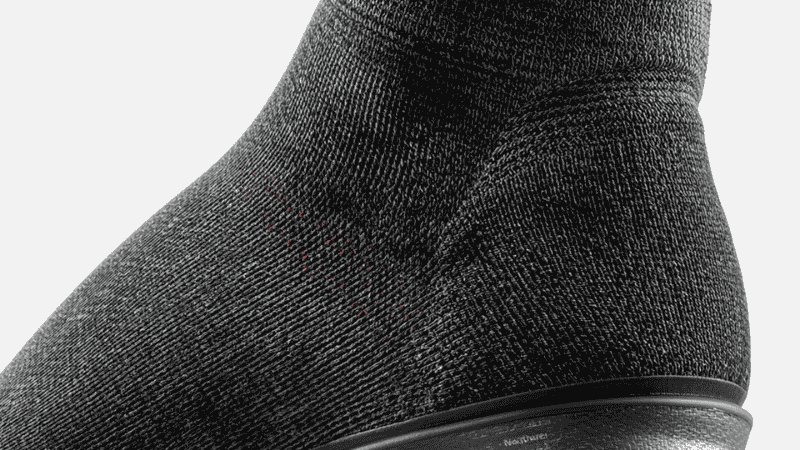
I used to think “anatomical fit” (having a specific left and right sock) was just a marketing gimmick to charge more. I was wrong. Symmetrical tube socks are the enemy—they leave a little “pocket” of extra fabric near your pinky toe that eventually bunches up and rubs you raw.
A true performance sock mirrors the natural curve of your arch. When you pull them on, they should feel almost like a compression sleeve—tight in the midfoot with zero slack. That lack of “extra” fabric is exactly what stops that annoying sliding and shearing feeling when you’re taking a sharp corner on a humid July morning.
2026 Running Sock Comparison: Performance Metrics
| Feature | Feetures Elite | Bombas Performance | Balega Blister Resist |
| Primary Use | Speed/Daily | Gym/Hybrid | Distance/Comfort |
| Comfort | Firm/Supportive | Soft/Cushioned | Plush/Pillowy |
| Breathability | 10/10 | 8/10 | 9/10 |
| Flexibility | High (Snug) | Moderate | Moderate (Thick) |
| Durability | 500+ Miles | 400+ Miles | 350+ Miles |
Material Breakdown: Merino Wool vs. Synthetic
Let’s be blunt: Cotton is garbage for fitness. Once it gets wet from sweat or a stray puddle, the fibers expand, the sock sags, and you’re basically running in a wet rag. For 2026, I only trust two types of builds:
- Merino Wool: This is the GOAT for thermoregulation. It’s weirdly soft but incredibly tough. It keeps your feet from freezing during a January 5K and, more importantly, it doesn’t stink up your gym bag after a heavy session.
- Olefin/Synthetic Blends: These are for the “heavy sweaters” like me. Synthetics don’t just hold moisture; they actively shove it out through the shoe’s mesh. If you’re running in 90% humidity, this is your only hope for dry feet.
The Rotation: My Top Picks for 2026
Best Overall: Feetures Elite Light Cushion No Show Tab
The Reality: This is my “desert island” sock. The “Targeted Compression” in the arch is so tight it almost feels like a massage, and the hand-linked toe seam means there’s literally no ridge to irritate your toes.
- The Feel: It’s thin enough that your shoes don’t feel tight, but the “Light Cushion” under the heel and ball of the foot gives you just enough protection against the road.
- The Verdict: If you’re tired of socks slipping down into your shoe mid-run, buy these. They do not move.
Best for Gym & Hybrid Workouts: Bombas Performance Quarter Crew
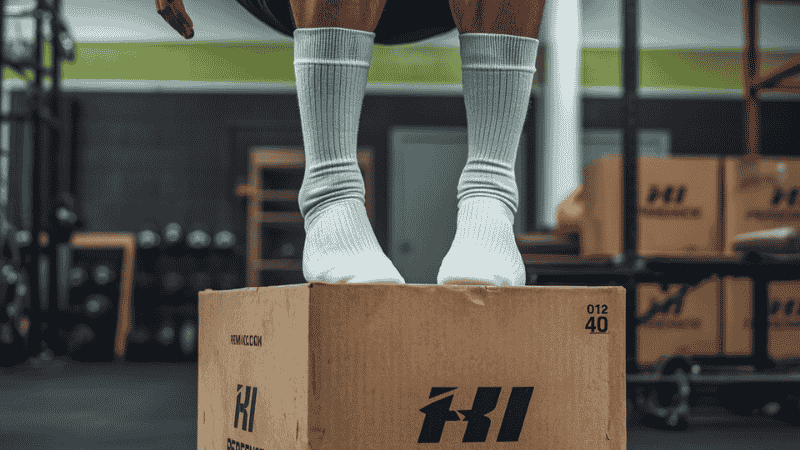
The Reality: I love these for “Hybrid” days—when I’m doing 20 minutes on the treadmill followed by heavy lunges or box jumps. The “Quarter” height protects your ankles from getting scuffed by gym equipment or the tongue of your shoe.
- The Feel: They have a bit more “heft” and durability than a pure racing sock. The fabric feels premium and stays soft even after 50 trips through the dryer.
- The Verdict: Great for the athlete who needs one pair of socks to survive the turf, the rack, and the road.
Best for Running & Blister Prevention: Balega Blister Resist No Show
The Reality: Balega uses Mohair (from Angora goats), which is naturally friction-free. If you’ve ever had a “hot spot” on the ball of your foot that makes you want to quit at mile six, these are the cure.
- The Feel: They’re plush. If you like a “pillowy” feel and have a little extra room in your shoes, these are heaven. They feel much thicker than the Feetures but still breathe remarkably well.
- The Verdict: The absolute best choice for long-distance training or anyone with sensitive skin.
[Internal Link: Pair these with the Best Running Shoes of 2026 to optimize your stride.]
What Most Activewear Guides Get Wrong
Most affiliate sites just copy the product description. Here’s the reality they miss:
- The “One-Size” Lie: High-performance socks must be bought by specific shoe size. If a brand offers “One Size Fits All,” run the other way. You need a 1:1 fit to prevent the fabric from migrating.
- Compression vs. Tightness: True compression supports the arch; “tight” socks just cut off circulation. If your toes feel numb after two miles, your socks are the wrong size, not “supportive.”
- Drying Speed: A sock can be “moisture-wicking” but take 24 hours to air dry. For travel or back-to-back training days, you need high-Olefin content which dries in hours, not days.
Real-World Lessons from the Pavement
Scenario 1: The “Swamp Foot” Trail Disaster
I once did an eight-mile trail run in standard socks and hit a hidden creek. My socks soaked up the water, grew an inch longer, and started sliding under my heel. By the time I finished, I had a blister the size of a quarter.
- The Fix: High-performance synthetics (like the Feetures Elite) don’t grow when they’re wet. They stay tight to the foot, so even if you get soaked, the sock isn’t moving against your skin.
Scenario 2: The Treadmill “Toe Jam”
Ever felt your foot slide forward every time you strike the treadmill belt during a sprint? That’s usually because your sock is too slippery against the shoe’s insole. That constant jamming is how you end up with black toenails.
- The Fix: A sock with a high-density knit and a “Y-heel” stitch locks your foot into the back of the shoe. You want your foot and shoe to move as one unit, not two.
The Kit Connection: Why Gear Matters
Your socks are only half the battle.
- The “Fabric Softener” Trap: I learned this the hard way—never wash your performance gear with softener. It clogs the pores of the fabric. Your $20 socks will stop wicking sweat and start feeling like plastic bags.
- The Heel Tab: Don’t buy “No Show” socks that don’t have a tab on the back. Modern running shoes have high, stiff heel collars that will chew through your skin in minutes if that tab isn’t there to protect you.
FAQ
1. When should I actually toss my running socks? Look at the bottom. If the fabric is starting to look “see-through” or the arch doesn’t snap back when you stretch it, the compression is dead. I usually swap mine out every six months if I’m hitting 20+ miles a week.
2. Do “Toe Socks” actually work or are they just weird? They’re weird, but they work. If you get blisters between your toes, they’re a lifesaver because they stop skin-on-skin rubbing.
3. Is $20 for one pair of socks a rip-off? Think of it this way: a $20 pair of socks that lasts a year is cheaper than a $10 box of blister band-aids every month and the frustration of having to cut a workout short.
4. Can I use these for hiking too? The Balega Blister Resist works great for light hiking, but for heavy boots, you’ll want a dedicated trekking sock with higher wool content for warmth and different impact zones.