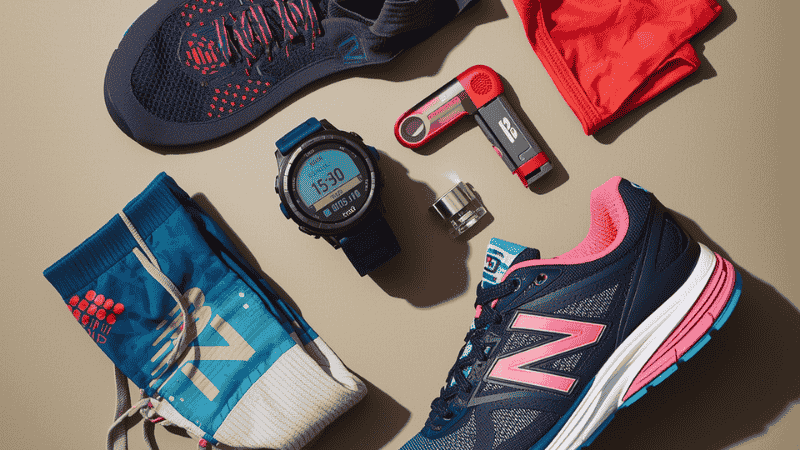
If you’ve been finishing your miles with aching shins or that annoying burning sensation in your arches, I have some news you might not want to hear: it’s probably not your fitness level—it’s your gear. Most of us learn how to choose running shoes based on a cool colorway or brand loyalty, but in 2026, footwear is more about biomechanical engineering than aesthetics.
The wrong shoe doesn’t just feel “off”; it actively fights your natural movement. I’ve been there—trying to power through a run while my feet felt like they were encased in stiff, heavy plastic. This guide is about skipping the marketing fluff and finding a pair that actually feels like an extension of your body.
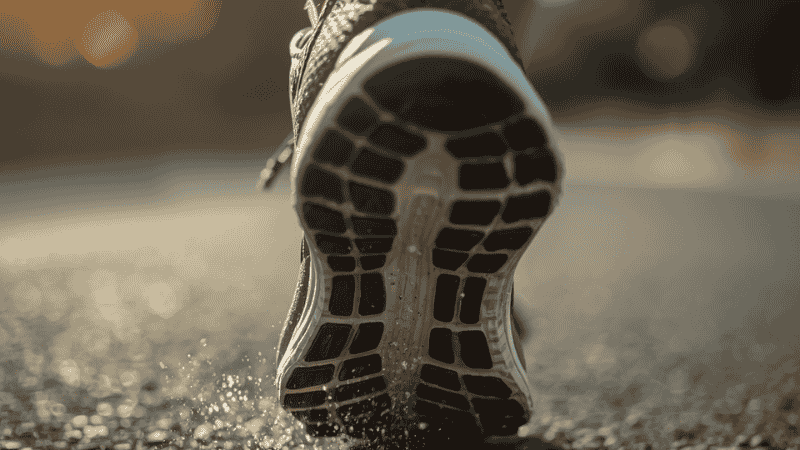
Step 1: Know Your Surface (Road, Treadmill, or Trail?)
Before you look at foam or laces, be honest about where you actually spend your time.
- Road & Pavement: This is high-impact territory. You need a midsole that can “cycle” that shock. If you’re hitting the asphalt in shoes with dead foam, your knees will feel it by mile three.
- The Treadmill: Since the belt has some built-in give, you can actually go with a lighter, more flexible shoe. In fact, a “maximalist” road shoe can sometimes feel too “mushy” and unstable on a fast-moving belt.
- Technical Trails: This is where you need grip. Look for lugged outsoles. I’ve tried running trails in road shoes; one muddy slope and you’re sliding on your face. You also need a stiffer base to keep sharp rocks from poking through.
2026 Comparison: Top Performance Picks
| Shoe Model | Comfort | Breathability | Flexibility | Durability |
| ASICS Superblast 3 | Elite (Bouncy) | High | Moderate | 450+ Miles |
| Saucony Kinvara 16 | Responsive | Elite | High | 300+ Miles |
| NB 1080 v15 | Plush | Moderate | Low (Rocker) | 500+ Miles |
Step 2: The Biomechanics Breakdown
Choosing the right pair requires understanding how your foot actually hits the ground.
Neutral vs. Stability
Does your foot roll inward excessively (overpronation)? If so, you need a stability shoe with a firmer “post” to keep you aligned. But here’s the catch: if you’re a neutral runner, stay away from stability tech. I’ve seen people buy “extra support” thinking it’s better, only to end up with hip pain because the shoe was forcing their gait into an unnatural position.
The “Drop” Equation
The “drop” is just the height difference between the heel and the toe.
- High Drop (10mm-12mm): If you’re a heel striker or deal with chronic calf tightness, this is your sweet spot. It takes the load off your Achilles.
- Low/Zero Drop (0mm-4mm): Great for midfoot strikers, but don’t just jump into these. I tried switching to zero-drop overnight and couldn’t walk properly for a week. Your calves need time to adjust.
Conversion Picks: Which Athlete Are You?
Best Overall: ASICS Superblast 3
This is the “cheat code” for daily training. It uses elite racing foam in a stable, high-stack package.
- Why it fits: It’s my go-to because it’s versatile. Whether it’s a slow recovery day or a fast tempo session, it protects your joints without that “sinking into a marshmallow” feeling.
Best for Gym: Saucony Kinvara 16
If you spend your mornings doing two miles on the treadmill followed by a heavy leg day, this is your shoe.
- Why it fits: It’s lower to the ground and firmer. You won’t feel wobbly while doing lunges or squats—heavy cushioning is actually dangerous when you’re lifting weights.
Best for Running: New Balance 1080 v15
The ultimate “mileage eater.” This is for the person focused on road running and half-marathon prep.
- Why it fits: It has a rockered shape that literally rolls you forward. It’s a lifesaver when you’re ten miles in and your form starts to get sloppy.

What Most Activewear Guides Get Wrong
Most guides are written by people who don’t actually sweat in the gear. Here’s the truth:
- The “Wet Footprint” Myth: Testing your arch by looking at a footprint on a bathroom mat is outdated. Your arch height doesn’t dictate your movement; your ankle stability does.
- Marketing “Breathability”: Brands claim every shoe is breathable. In reality, some “engineered meshes” act like plastic wrap in 80% humidity. Look for larger “pore” sizes in the toe box mesh.
- The Lifespan Lie: Just because the tread looks good doesn’t mean the shoe is alive. The foam (the “midsole”) usually dies long before the rubber outsole wears off.
The “Kit Synergy”: Clothing and Performance
Footwear doesn’t work in a vacuum. If you pair the best running shoes with heavy, sweat-soaked cotton clothes, you’re going to have a bad time.
- Breathability: If your shoes are venting heat but your shirt is a soggy weight around your neck, you’ll overheat. Go for moisture-wicking polyester.
- Flexibility: Your shorts need a high spandex count. If the fabric catches on your thighs, it subtly changes your stride, which can lead to landing awkwardly and ruining the benefit of those expensive shoes.
[Internal Link: Discover the Best Running Socks of 2026 to prevent blisters and improve fit.]
FAQ
How often should I replace my running shoes? Usually between 350 to 500 miles. When that “bounce” disappears and you start feeling the pavement more than the cushion, they’re toast.
Do I really need a gait analysis? It helps, but look at your old shoes first. If the inner edge is worn down way more than the outer, you probably overpronate.
Can I throw these in the wash? Please don’t. The heat from the dryer or even hot water can melt the glues and warp the foam. Stick to cold water, a brush, and air drying.
Is the most expensive shoe always the best? Not necessarily. Around $160 gets you great foam. Above $200, you’re usually paying for carbon plates and niche racing tech that might actually be less comfortable for a casual daily run.
How much room should be in the toe? Aim for a thumb’s width of space between your longest toe and the end of the shoe. Your feet will swell—give them room.