

You know that move. The mid-run reach-down, the quick tug, the quiet prayer that nobody noticed. If you’ve spent any amount of time running in shorts that ride up, bunch between your thighs, or flip up every time a breeze hits — you already know that a bad pair of running shorts isn’t just uncomfortable. It’s distracting. It breaks your rhythm. On a long run, it’s the difference between finishing strong and counting down the blocks until you can stop.
Here’s the thing: most running shorts look fine on a hanger and fall apart in mile two. The waistband rolls. The liner bunches. The pockets are either nonexistent or so shallow your phone launches itself onto the pavement at the first downhill. And yet brands keep making them, reviewers keep ranking them, and the rest of us keep guessing.
This guide is different. We’re not just listing what’s popular — we’re breaking down why certain womens running shorts work, who they work for, and how to figure out which type actually fits your body and your miles. Whether you’re running your first 5K or training through your third marathon cycle, there’s a right pair for you. Let’s find it.
Key Takeaways
- Inseam length matters more than brand — the right length for your body type prevents riding up better than any anti-chafe technology
- Lined shorts aren’t always better — for runners prone to chafing, a fitted compression short often outperforms a lined loose short
- Pockets are a non-negotiable in 2026 — any running short without at least one secure pocket is already behind
- Muscular thighs need wider leg openings, not just longer inseams — these are two different fit problems with different solutions
- Budget picks have closed the gap — you no longer need to spend $70+ to get a short that performs on a 10-mile run
How to Choose Women’s Running Shorts: Before You Buy Anything
Before we get into specific recommendations, let’s talk about fit logic — because buying running shorts without understanding your own running style and body is how you end up with a drawer full of expensive mistakes.
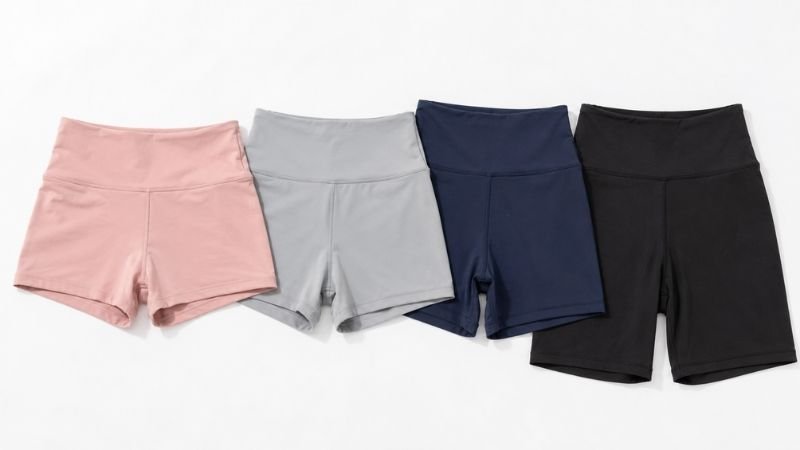
Inseam Length: The Most Underrated Decision
This is where most people go wrong. Inseam length isn’t just a style preference — it directly affects whether your shorts ride up.
2–2.5 inch inseam works well for runners with slimmer thighs or those who prioritize maximum air flow. These are your summer race-day shorts, your track shorts. They look great and feel breezy, but if your thighs touch at all, they will ride up.
3 inch inseam is the most popular length for a reason — it’s a genuine sweet spot for a wide range of body types. Enough coverage to stay put, short enough to feel free.
5 inch inseam is the go-to for runners with muscular or curvier thighs. More fabric means more resistance against riding up. Also the preferred length for longer distances where chafing is a real risk.
7 inch inseam (compression-style) is what you want for marathons, trail running, or any time you know you’ll be out for 90+ minutes. Full thigh coverage eliminates the chafe variable entirely.
Lined vs. Unlined: What Nobody Tells You
Built-in liners feel convenient, but they’re not always the right call. A loose short with a liner can bunch and pull in ways that cause more chafing than no liner at all — especially if the liner doesn’t sit flat against your body.
If you have thighs that rub: go liner-free and wear compression shorts underneath, or choose a compression-style running short as your base. The smooth, continuous fabric eliminates friction points entirely.
If you have a slimmer build and prefer loose fits: a lined short works great. Just make sure the liner is a brief-cut, not a boxer-style — the coverage should feel secure, not like it’s adding extra fabric to fold and bunch.
Loose vs. Compression: Match to Your Run
Loose shorts are better for: casual runs, hot weather (airflow), runs under 60 minutes, treadmill sessions.
Compression shorts are better for: long runs, races, trail running, anyone prone to chafing, runners who prefer a locked-in feel.
You don’t have to pick one forever. Many runners own both and decide based on the day’s mileage and temperature. That’s the practical move.
The Best Women’s Running Shorts in 2026
These picks are organized by what you actually need them to do — not by brand popularity.
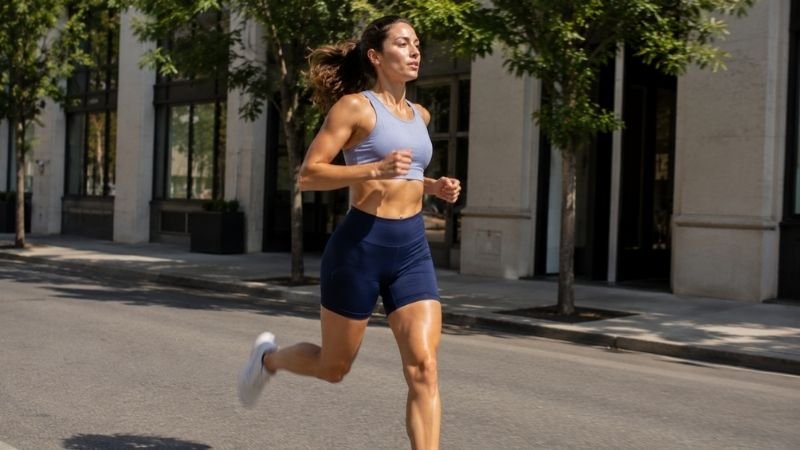
Best Overall: Lululemon Track That High-Rise Lined Short (3″ or 5″)
If you could only own one pair of running shorts, this is the one most runners would reach for. The leg opening is genuinely wide — not just “roomy” in marketing copy, but wide enough that muscular thighs aren’t fighting the fabric. The waistband is high-rise and stays where you put it, which sounds basic but is rarer than it should be.
The 3″ is the lighter, breezier option. The 5″ adds enough coverage to work for longer runs without feeling like compression. The brief liner sits flat and doesn’t migrate. Multiple pockets that actually fit a phone.
Best for: Runners who want one versatile short that handles everything from a quick 5K to a 10-miler.
Editor’s note: Yes, Lululemon is expensive. Yes, these are worth it if you run more than twice a week. The cost-per-mile math works out.
Best for Preventing Chafing: Lululemon Fast and Free High-Rise Short (6″ or 8″)
The material on these is noticeably thinner than most compression shorts — not see-through, just genuinely lightweight. That thinness is what makes them work. Less fabric bulk means fewer friction points. Add silicone grippers on the hem to prevent riding up, five pockets, and a high-rise waistband that doesn’t dig in, and you have the most chafe-resistant short on this list.
The 6″ and 8″ inseam options mean there’s a version for runners who want moderate coverage and runners who want full thigh protection.
Best for: Runners who’ve tried everything and still end up chafed by mile 8. Hot weather. Long training runs.
Best for Muscular Thighs and Curvy Runners: Bandit Stamina Shorts (5″)
Finding running shorts that don’t ride up when your thighs are strong and close together is genuinely difficult — and most brands don’t engineer for it. Bandit does. The leg opening on the Stamina shorts has silicone taping on the inside hem that grips your thigh and keeps the fabric from migrating upward. It works. Not as a marketing claim — it actually works.
Three large pockets handle race-day nutrition, a phone, and keys without bouncing. The compression fit is firm but not suffocating. The 5″ inseam is the sweet spot; the 7″ exists for runners who want even more coverage on long efforts.
One caveat: Bandit releases in drops and sells out fast. Get on their member list.
Best for: Runners with muscular thighs, marathon training, anyone who has written off compression shorts because “they always ride up.”
Best Budget Pick: Senita Baseline Shorts
At roughly a third of the price of premium options, these punch significantly above their weight. Four-way stretch, multiple inseam lengths, multiple pockets, and over 5,000 reviews averaging 4.8 stars — the crowd has voted. These are the shorts you recommend to a friend who’s just getting into running and doesn’t want to spend $70 before they know if they’ll stick with it.
The fit is true to size and the waistband doesn’t roll. They hold up through washing without the fabric going limp. Not the most technical short on this list, but honest and reliable.
Best for: Beginners, backup pairs, runners on a budget, high mileage runners who rotate through multiple pairs and don’t want to bankrupt themselves doing it.
Best for Hot Weather Runs: Rabbit Float n’ Fly 3″
These are deliberately, unapologetically breezy. High side slits maximize airflow. The brief liner is oversized — intentionally so — which means even when the leg opening catches wind and flaps open, you’re covered. The waistband sits high and stays there.
These are warm-weather-specific. On a cool day, they’ll feel like too much leg exposure. On a July morning when you’re already sweating before you hit the end of the block, they’re the right call.
Best for: Summer runs, hot and humid conditions, runners who run hot and prioritize airflow over everything else.
Best for Long Distance and Race Day: Vuori Clementine Short 2.0
Race-day shorts need to do something very specific: not exist. You should forget you’re wearing them. The Clementine comes close. Flattering cut, comfortable liner, secure enough for long miles without any pressure points. The one small front pocket works for a gel or a key — not a phone, so plan accordingly.
The drawstring sits on the outside, which bothers some people. Double knot it and forget it. The fit is worth the minor annoyance.
Best for: Half marathons, full marathons, long training runs where you want a looser feel without sacrificing coverage.
How to Find Running Shorts That Fit Your Body Type
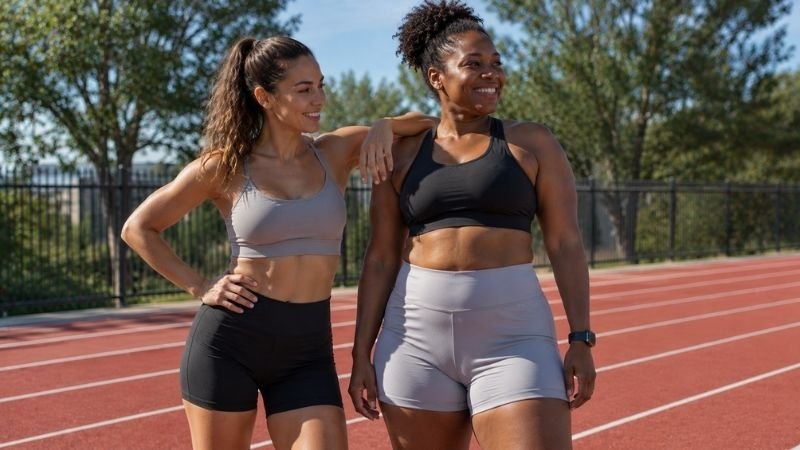
This is the section most running gear guides skip entirely — which is exactly why so many runners end up with shorts that work for someone else’s body but not theirs.
If you have an athletic, muscular build: Prioritize wide leg openings over longer inseams. The problem usually isn’t length — it’s that the opening is too narrow and the fabric grips the thigh and rides up. Look for brands that specifically mention “wide leg opening” in the fit description, not just “relaxed fit.”
If you have a curvier or pear-shaped build: A higher rise waistband is your best friend. It stays put through hip movement and eliminates the rolling-down problem. Compression styles in a 5–7″ inseam will give you the most secure fit. Avoid low-rise cuts entirely.
If you have a straighter build: You have the most options. Loose 2.5–3″ shorts work well. Focus on liner quality over length.
Plus-size runners: Look for shorts with internal drawcords (not just elastic) and a waistband that’s at least 2 inches wide. Wide waistbands distribute pressure evenly and don’t create the “muffin top” effect that narrow bands do. Compression styles in longer inseams offer the most consistent fit across a wider range of bodies.
Common Mistakes When Buying Running Shorts
Buying based on how they look, not how they’re cut. A short that photographs beautifully can still be functionally useless. Always check inseam length, waistband style, and whether reviewers with your body type mention riding up.
Trusting the size chart over the reviews. Running brands size inconsistently. Read reviews from people who mention their measurements or body type, not just “I’m usually a medium and the medium fit perfectly.”
Skipping the liner check. The liner on a running short should lie flat against your body with no excess fabric. If it’s baggy or shifts during a test squat in the fitting room, it’ll be worse after 45 minutes of running.
Not testing before race day. Never race in new shorts. Run at least one long training run in any pair before wearing them to an event. Chafing shows up at mile 10, not mile 2.
One more thing runners consistently overlook: your socks matter just as much as your shorts when it comes to chafing and comfort. If you haven’t dialed in your sock setup yet, our guide to the best running socks for women covers everything from fabric to cushion level.
FAQ: What Runners Actually Ask About Women’s Running Shorts
What length running shorts should I get? Start with 3″ if you’re unsure — it works for the widest range of body types. If you have muscular thighs or tend to run long, go 5″. If you prioritize airflow above all else, try 2.5″.
How do I stop my running shorts from riding up? Usually a combination of two things: the inseam is too short for your thigh circumference, or the leg opening is too narrow. Try a longer inseam first. If that doesn’t help, look for shorts with silicone hem grippers (like Bandit Stamina or Lululemon Fast and Free).
Are lined running shorts better? Not always. If your thighs rub together, a loose-fit lined short can actually cause more chafing than a compression short without a liner. Match the style to your body, not a general recommendation.
Can I wear running shorts for cycling or hiking? Loose running shorts work reasonably well for hiking. For cycling, the lack of padding makes them uncomfortable for anything longer than a quick spin. Keep them for running.
What running shorts are best for plus-size women? Look for wide waistbands (at least 2 inches), internal drawcords, and compression styles in 5–7″ inseams. Senita and Lululemon’s extended sizing both get consistent positive reviews from plus-size runners for fit and coverage.
How often should I replace running shorts? Roughly every 200–300 miles of use, or when the fabric loses its stretch, the liner stops lying flat, or the waistband starts rolling. A worn-out running short is a chafing risk.
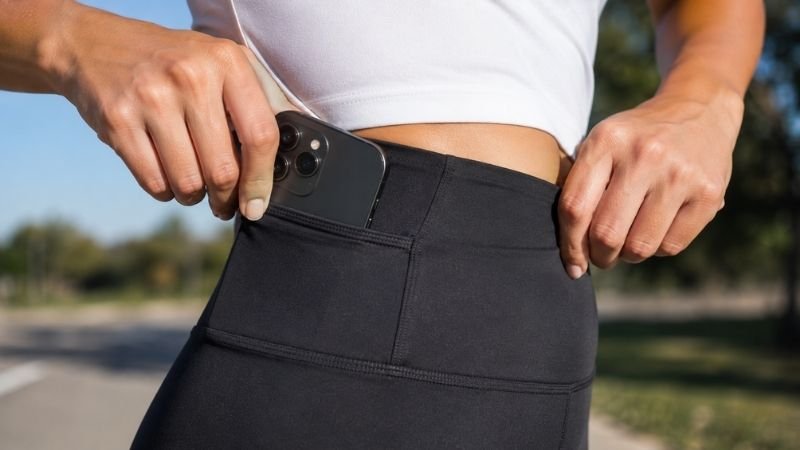
Do I need pockets in running shorts? If you run outside: yes. At minimum, one secure pocket for a key or a card. If you run with your phone or carry gels, you need at least two. Pockets aren’t a luxury feature in 2026 — they’re a baseline expectation.
The Bottom Line
The best womens running shorts are the ones that disappear on your body — no tugging, no bunching, no mid-run adjustments. That sounds simple, but getting there requires matching the right inseam length, waistband style, and cut to your actual body and your actual running.
If you take one thing from this guide: stop buying shorts based on how they look in product photos. Buy based on cut, inseam length, and reviews from runners with a similar build. Your miles will thank you.
For more on what to wear running in different conditions, check out our seasonal running wear guides — from layering for cold weather to staying cool in summer heat.
References:
- American College of Sports Medicine. (2023). Position Stand on Heat and Cold Illnesses During Distance Running. Medicine & Science in Sports & Exercise.
- Laing, R.M., et al. (2020). Textile and clothing comfort in sport: Review of current knowledge. Sports Medicine.