

Let’s address the thing that most men’s running tights guides refuse to say directly: the primary reason many male runners haven’t tried running tights isn’t temperature logic or compression science — it’s the social calculation of whether it looks weird. And then you run your first genuinely cold long run in tights, and you realize you’ve been punishing yourself for years over a concern that evaporates somewhere around mile 3.
Running in tights in cold weather isn’t a style choice. It’s a thermoregulation decision. Your legs generate enormous heat during running, but they also lose heat through the same mechanism — surface area exposed to cold air and wind. On a calm 50°F day, bare legs on a 6-mile run is uncomfortable but manageable. On a 30°F day with a headwind, bare legs become actively detrimental to performance and comfort. The physics doesn’t care about the social calculation.
This guide covers what men’s running tights actually do, how to choose between compression and warmth-focused options, the modesty question (answered plainly), and which specific pairs earn their place in a cold-weather running kit.
Key Takeaways
- Men’s running tights come in two functionally different types — compression tights (performance and recovery focus, suitable across temperatures) and thermal/insulated tights (warmth focus, for cold weather specifically) — and they solve different problems
- The “shorts over tights” decision is personal, not required — many runners wear tights alone; others layer shorts for coverage or pocket access; neither is wrong
- Inner thigh seam placement is the most important comfort feature for men’s running tights — seams at the inner thigh contact zone cause chafing on long runs regardless of fabric quality
- Temperature range matters more than most guides acknowledge — testers found most running tights perform best in specific temperature windows, and buying for the wrong range leaves you either sweating through a 45-minute run or underdressed for a 2-hour effort
- Built-in support varies significantly — some men’s running tights include a supportive internal pouch; others don’t; knowing which type you’re buying affects whether you need separate compression shorts underneath
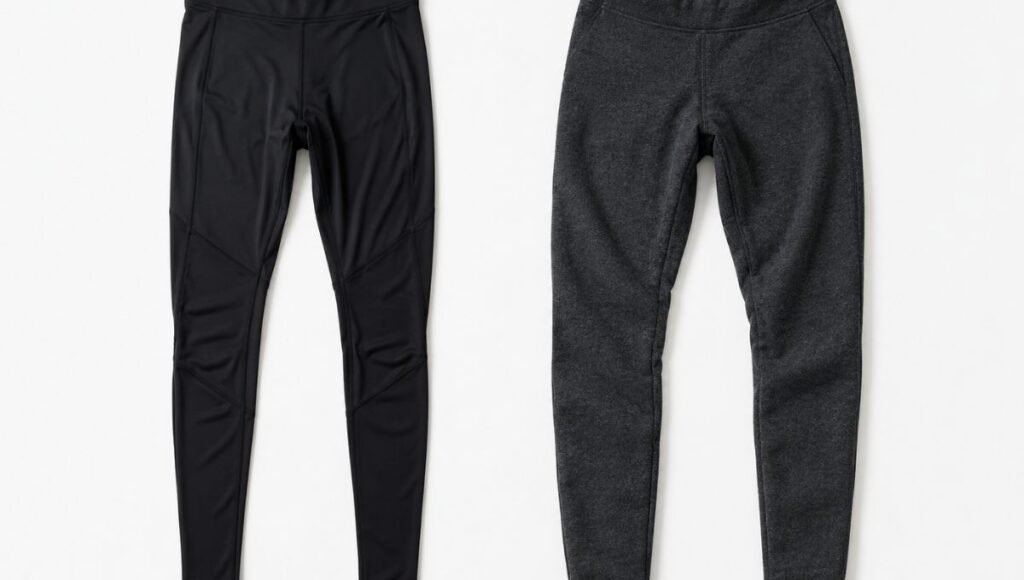
Compression Tights vs Thermal Tights: Two Different Products
This is the distinction most guides blur together, and it leads to wrong purchases more consistently than any other factor.
Compression Running Tights
Compression tights are engineered around graduated pressure — tighter at the ankle, progressively looser moving up the leg — to support circulation, reduce muscle vibration during stride, and assist with recovery after hard efforts. Research in the Journal of Strength and Conditioning Research found that compression garments reduced perceived muscle soreness in endurance athletes following sustained exercise, though performance improvement during the effort itself was less consistently demonstrated.
Compression tights are appropriate across a wide temperature range — they’re worn in cold weather for warmth and in moderate weather for the compression benefit. The fabric tends to be thinner than thermal options, which makes them more versatile but less warm.
Choose compression tights when:
- Your primary goal is muscle support and reduced fatigue during long efforts
- You want a single pair that works across temperature ranges from cool to cold
- Recovery benefit between hard training sessions is a priority
- Racing in cool conditions where you want support without significant warmth addition
Thermal Running Tights
Thermal tights prioritize insulation over compression. They use thicker fabric, often with a brushed or fleece interior, and are designed specifically for cold-weather running — typically effective from around 20°F to 45°F depending on construction weight and your personal cold tolerance.
They don’t provide the same compression benefit as performance-focused tights, but they’re significantly warmer and more comfortable for extended efforts in genuinely cold conditions.
Choose thermal tights when:
- Your primary concern is warmth, not compression
- Running in temperatures below 35°F where thinner compression tights aren’t warm enough
- Doing easy or long runs where intensity is lower and you generate less body heat
- Trail running in cold conditions with variable wind exposure
The Shorts-Over-Tights Question: Answered Directly
This is the question that gets asked in every running community and rarely answered plainly.
Do you need to wear shorts over running tights? No. Running tights are designed to be worn as a complete outer layer. Many male runners — including competitive and serious recreational runners — wear tights without shorts and have no issue with it.
Should you wear shorts over tights? Only if you want to for one of these specific reasons:
Pocket access. Running tights often have limited pocket space. Wearing a pair of running shorts over tights gives you access to the shorts’ pocket system — particularly useful for carrying gels, a phone, or a key on longer efforts without a running vest or belt.
Preference for coverage. Some runners simply prefer the look of tights with shorts. This is legitimate personal preference, not a requirement.
Temperature management. In the specific temperature range where you want leg warmth from tights but upper-thigh ventilation, shorts over tights can help manage heat. Less common but occasionally useful.
The social question: Running in tights without shorts is standard across competitive running. It’s what you see at most road races in cold weather because it’s the functional choice. The perception that it “looks weird” is far more prominent in the minds of new tights wearers than in the minds of anyone watching them run. The first few runs feel self-conscious; by the sixth run, you’ve stopped thinking about it entirely.
Inner Thigh Seams: The Feature That Determines Long-Run Comfort
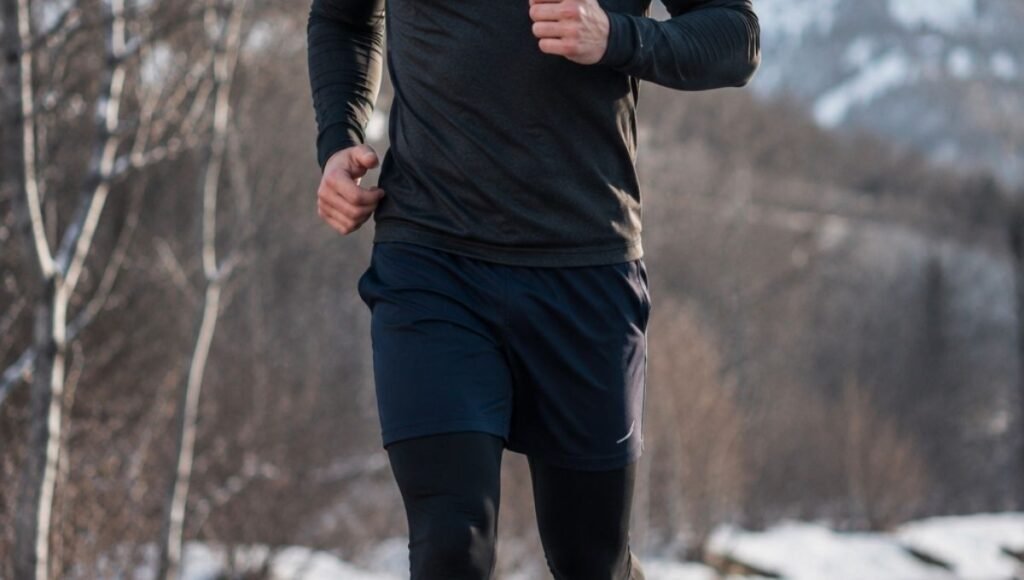
Running tights are designed with flat seams and smooth, chafe-resistant fabrics to minimize friction and irritation, but not all brands execute this equally — and the inner thigh is the specific location where seam construction differences show up as actual discomfort.
During running, your inner thighs contact repeatedly through every stride cycle. A raised seam in this zone creates a friction point that compounds over distance — negligible on a 3-mile run, noticeable at mile 8, genuinely painful at mile 18 of a marathon.
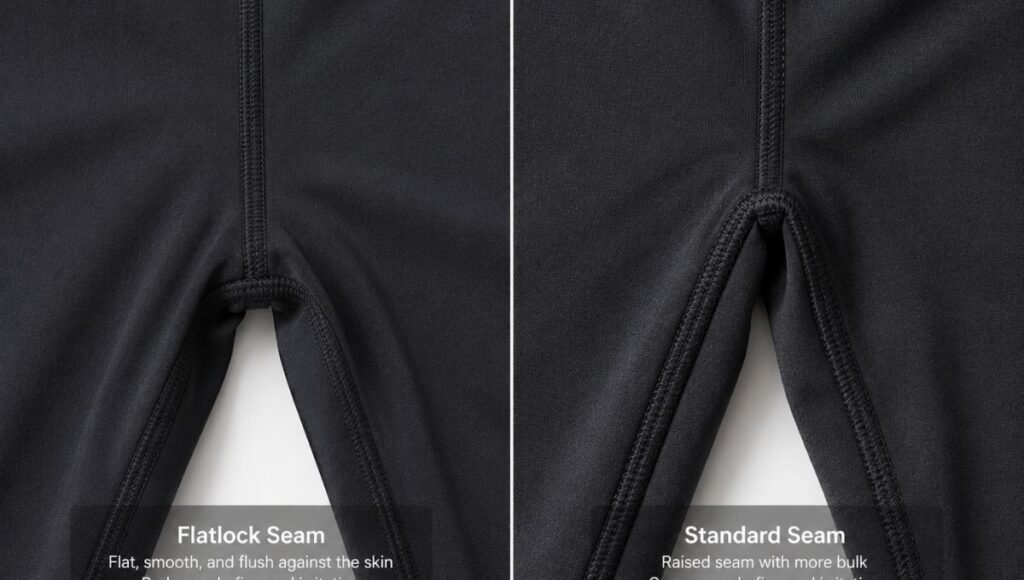
What to look for: Seamless inner thigh construction, flatlock seams (stitched flat rather than raised), or bonded seams at the inner thigh specifically. Some brands use seamless panels in the inner thigh zone while maintaining sewn construction elsewhere — this is a good compromise.
The test: Run your thumb along the inner thigh seam of any pair before buying. If it has a raised ridge, it will chafe at distance. If it’s flush against the fabric, it won’t.
Treeline Review testers specifically called out that five seams and multiple pieces of fabric meeting together in the crotch was noticeable during runs and could cause chafing for some people, particularly on long runs — a reminder that crotch seam construction matters as much as inner thigh seams.
Men’s Running Tights: What to Look for in Support
This is a practical consideration that women’s running tights guides don’t need to address, and men’s guides often skip.
Built-in support: Some men’s running tights include a structured internal pouch — effectively a built-in supportive brief — that provides containment and support without needing separate compression shorts underneath. For runners who prefer minimal layers, this construction means the tights are genuinely self-contained.
No internal support: Most running tights don’t include this feature. They’re designed to be worn with compression shorts or boxer briefs underneath for support. If you buy a pair without internal support and wear them commando, you’ll find out immediately why that’s not the intended use.
The practical guide: Check the product description for “supportive internal brief,” “internal support pouch,” or similar language before purchasing. If it’s not mentioned, assume it’s not there. Wear moisture-wicking compression shorts or fitted boxer briefs underneath rather than cotton underwear — the same moisture management principles that apply to running socks apply to base layers under tights.
Temperature Guide for Men’s Running Tights
Matching tights weight to temperature is the most practical buying decision after fit.
45–55°F: Lightweight compression tights or thermal tights on the lighter end. This is the borderline zone — some runners are fine in shorts at this temperature, others want leg coverage. If you run hot, shorts with long compression socks might cover this range. If you run cold, tights.
35–45°F: Standard thermal running tights. This is the core use case for most men’s running tights — cold enough that bare legs significantly affect comfort, not cold enough to require maximum insulation.
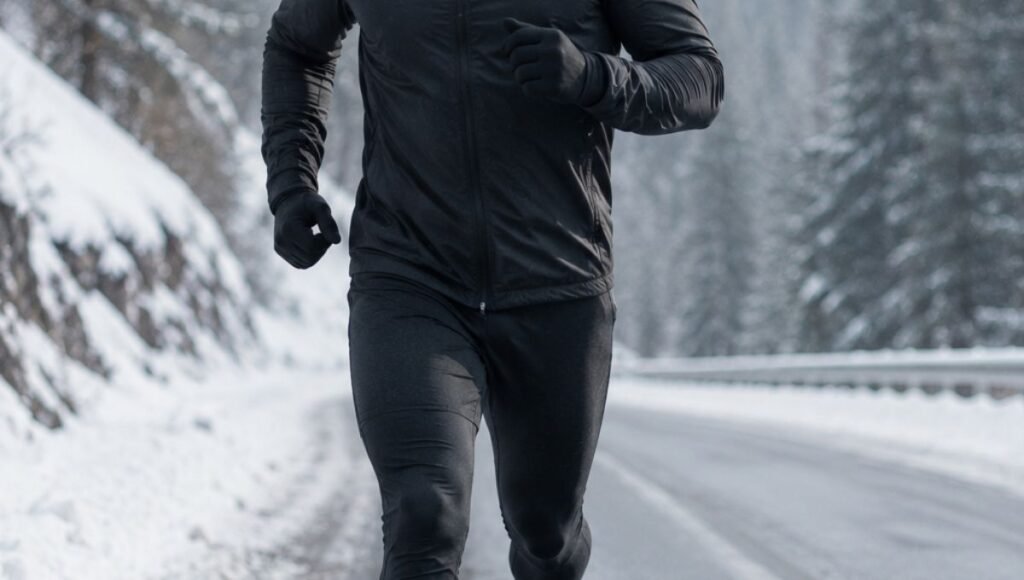
20–35°F: Heavier thermal tights with wind-resistant panels, or tights layered with wind pants for particularly exposed routes. Testers found that waterproof membrane construction in this range limited breathability, so wind-resistant (not waterproof) is the better call for most running applications.
Below 20°F: Heavier thermal tights plus wind pants. At this temperature, the question shifts from tights vs. no tights to what combination of layers provides warmth without restricting stride.
The Best Men’s Running Tights in 2026
Best Overall: Brooks Carbonite Tight
Brooks builds running-specific apparel as a core product category, and the Carbonite Tight shows the difference from general athletic tights. The waistband holds position through extended running without the rolling-down problem that plagues tights without adequate waistband construction. Reflective elements are positioned on the back of the leg where they’re most visible to approaching vehicles from behind — practical rather than decorative.
The fabric weight sits in the sweet spot for 35–50°F running — warm enough to be useful, not so heavy that you’re sweating through a moderate-effort run. Flatlock seams throughout, including at the inner thigh. Two back pockets accommodate a phone or gels.
Best for: Road running in cold to cool conditions, everyday cold-weather training, runners who want one versatile pair for the fall-to-spring temperature range.
Best Compression Option: 2XU Form Compression Tight
2XU builds compression tights as their primary product, and the Form Compression Tight delivers the genuine graduated compression that cheaper “compression” tights only claim. The PWX flex fabric provides measurable compression while maintaining the stretch needed for full running stride, and the construction holds up through repeated washing better than many competitors.
For runners who want compression benefit specifically — muscle support during long efforts or recovery assistance after hard training — this is the category-defining option. The compression level is meaningful without being restrictive.
Best for: Marathon training, long runs where muscle fatigue is a factor, recovery use post-run, competitive runners who want documented compression performance.
Best for Extreme Cold: Patagonia Wind Shield Tight
For those looking for a warm waterproof product with more pockets, the Patagonia Wind Shield tights earn their premium price through genuine wind-blocking performance and Patagonia’s recycled fabric construction. The wind shield panels on the front of the leg block the specific type of cold exposure that makes running into a headwind at 25°F genuinely miserable.
The construction is heavier than standard thermal tights, appropriate for temperatures at the lower end of the scale where other tights don’t provide sufficient warmth. Multiple pockets including a rear zippered pocket accommodate trail running carry needs.
Best for: Trail running in cold conditions, road running below 25°F with significant wind, runners in genuinely cold winter climates who need maximum warmth without switching to pants.
Best Budget Option: On Performance Winter Tight
The On Performance Winter Tights are sold with extreme cold weather in mind, described as “winter-proof,” with sweat-wicking fabric and an adjustable waistband that prevents sliding. At a price point below premium competitors, these deliver the functional essentials for cold-weather running without the refinements that justify premium pricing.
The adjustable waistband specifically addresses the most common complaint about budget running tights — the waistband that gradually migrates downward during longer runs. On got this right at a price point where many competitors don’t bother.
Best for: Budget-conscious runners building a cold-weather kit, runners new to tights who want to try the category without significant investment, backup pairs for rotation.
Best for Trail Running: Treeline Review Top Pick (2026)
Testing across Colorado foothills, eastern Sierra slopes, and the Arkansas Valley in temperatures from 9°F to 50°F with gusts gave Treeline a full spectrum of conditions to evaluate — the most comprehensive cold-weather trail testing methodology of any running tights guide we’ve found. Their current top pick for trail-specific running tights earns its placement through performance in genuinely demanding conditions rather than controlled-environment testing.
Best for: Trail runners, ultramarathon training, anyone running in genuinely demanding cold-weather terrain.
Running Tights Mistakes Men Make
Buying compression tights for warmth, or thermal tights for compression. These are different products. Compression tights are thinner and more versatile but don’t provide meaningful insulation. Thermal tights are warm but don’t provide meaningful compression. Buying the wrong type for your primary use case means the tights fail at the thing you actually needed.
Wearing cotton underwear underneath. The same principle as every other running garment — cotton holds moisture against skin. If you’re wearing running tights over cotton boxer briefs, the cotton will saturate with sweat and create the wet, cold, chafing base layer problem that tights are designed to prevent. Moisture-wicking fitted shorts or compression briefs underneath.
Buying based on inseam length without checking. Men’s running tights sizing varies more between brands than most runners expect. Full-length, 7/8, and 3/4 length options exist — and the distinction matters for temperature range and coverage. Full-length for genuine cold; 7/8 for moderate conditions where you want some ankle exposure.
Not checking the waistband before buying. Tights with inadequate waistband construction slide during running. This is a brand-and-model specific issue, not a sizing issue. Reviews that specifically mention waistband stability from runners (not just reviewers standing still) are the most reliable guide.
FAQ: What Men Ask About Running Tights
Should men wear shorts over running tights? No requirement. Wear shorts over tights if you want pocket access, prefer the coverage, or are managing temperature. Don’t wear them if you don’t have a specific reason — they add fabric and weight without functional benefit in most situations.
What do men wear under running tights? Moisture-wicking compression shorts or fitted athletic briefs — not cotton underwear. Some running tights have built-in support structures that function as underwear; check the product description. If no internal support is mentioned, wear moisture-wicking base layer underneath.
Are men’s running tights different from women’s? Yes, in fit and sometimes construction. Men’s tights are cut for male body proportions — different hip-to-waist ratio, different crotch construction, sometimes including internal support pouches. Women’s tights are cut for female proportions with different considerations. Wearing the appropriate gender cut provides better fit and function.
What temperature do you need running tights? Most male runners find tights useful below 45°F for runs over 45 minutes. Below 35°F, tights transition from useful to important. The specific threshold varies by personal cold tolerance, run intensity, and wind conditions.
How long do men’s running tights last? Quality running tights maintain compression and shape for 12–18 months of regular training use with proper care. Signs to replace: the waistband no longer holds position, compression feel has gone flat, or fabric has thinned significantly at high-wear zones. Machine wash cold, air dry — high heat degrades elastic and compression fabric.
The Bottom Line
Men’s running tights earn their place in a cold-weather kit through a functional logic that has nothing to do with aesthetics: they keep your legs warm enough to run comfortably in temperatures where bare legs become a performance liability.
The compression vs thermal distinction matters more than brand. The inner thigh seam construction matters more than fabric marketing claims. The waistband quality determines whether you’re managing the tights throughout every run or forgetting you’re wearing them.
For most cold-weather road running, the Brooks Carbonite Tight covers the full season range. For genuine compression benefit, 2XU. For extreme cold trail running, Patagonia Wind Shield. For a budget entry point, On Performance Winter Tight.
For cold-weather layering beyond tights, our winter running outfit guide covers the full temperature-by-temperature system — and our best running gloves guide covers the extremities that need attention alongside your legs when temperatures drop.
References:
- Born, D.P., et al. (2013). Bringing light into the dark: Effects of compression clothing on performance and recovery. International Journal of Sports Physiology and Performance.
- Treeline Review. (2025). 6 Best Men’s Running Tights: Tested across diverse terrain and temperatures. TreelineReview.com.
- American College of Sports Medicine. (2023). Cold Weather Exercise: Dressing for Performance and Safety. ACSM’s Health & Fitness Journal.
- Journal of Strength and Conditioning Research. (2014). Effect of compression garments on delayed onset muscle soreness in distance runners. NSCA.