

You walked out the door at 6am, optimistic. The forecast said “partly cloudy.” By mile two, the wind picked up. By mile four, the light drizzle had turned into something more committed. By the time you got home, your long-sleeve base layer was soaked through, your shoulders were tense from the cold, and you were already thinking about the running jacket you should have bought three months ago.
If that sounds familiar, you’re not alone. A running jacket is the piece of kit that most runners put off the longest — and then regret not having the moment the weather turns. The problem isn’t finding a jacket. The problem is that the market is full of options with overlapping claims: waterproof, water-resistant, windproof, breathable, packable, lightweight. Most of them mean something specific. Many brands use them interchangeably. And the wrong choice means either getting soaked or overheating, which is somehow worse.
This guide cuts through the terminology, builds a clear decision framework for picking the right type of running jacket for your conditions, and gives you honest picks across every scenario — from a light windbreaker for cool morning runs to a fully waterproof shell for training through winter.
Key Takeaways
- Waterproof and water-resistant are not the same thing — and confusing them is the most common and most expensive running jacket mistake
- Breathability matters as much as weather protection — a jacket that keeps rain out but traps sweat is trading one discomfort for another
- Most runners need two jackets, not one — a lightweight windbreaker for everyday use and a waterproof shell for serious rain
- Weight and packability determine whether you’ll actually use it — a jacket you leave at home because it’s bulky is no jacket at all
- Reflective elements are non-negotiable for dawn and dusk running — visibility is a safety issue, not a style preference
The Running Jacket Terminology Problem (Solved)
Before anything else, let’s settle the vocabulary — because this is where most buying decisions go wrong.
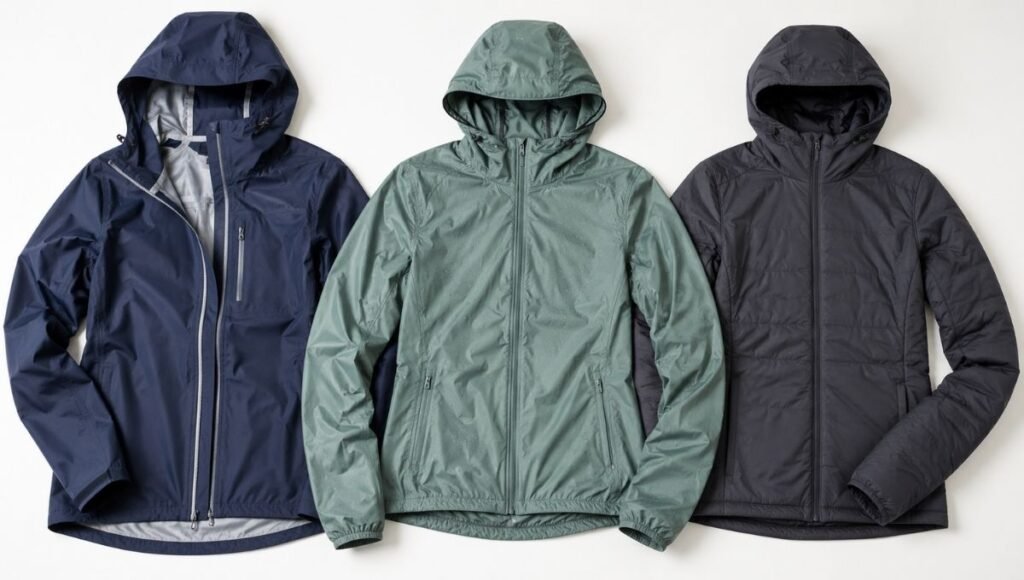
Waterproof
A fully waterproof jacket uses a membrane technology (GORE-TEX is the most well-known, but brands have proprietary versions) that physically prevents water molecules from penetrating the fabric. In practical terms: you can run through sustained heavy rain and stay dry. The trade-off is that these jackets are heavier, less breathable, and more expensive than other options.
True waterproofing comes with a hydrostatic head rating — the higher the number, the more water pressure the fabric can withstand before it leaks. For running purposes, anything above 10,000mm handles heavy rain. The Montane Minimus Lite, for reference, sits at 20,000mm.
Water-Resistant / DWR Coating
This is where most confusion lives. Water-resistant jackets use a Durable Water Repellent (DWR) coating that causes water to bead up and roll off the fabric surface. In light drizzle, they perform well. In sustained rain, the coating eventually saturates and the jacket wets through — sometimes within 20–30 minutes of heavy exposure.
DWR coatings also degrade with washing and use. A jacket that was water-resistant when you bought it may be significantly less so after a season of regular use. The coating can be reactivated with heat (a tumble dryer on low) or restored with a DWR spray.
Water-resistant is appropriate for: light drizzle, morning dew, humidity, and conditions where rain is unlikely but possible. It is not a substitute for waterproof in serious rain.
Windproof
A windproof jacket blocks air penetration — critical for cold-weather running because wind chill dramatically amplifies the felt temperature. A 40°F day with a 15mph headwind feels closer to 28°F. A windproof layer eliminates that calculation and makes cold runs significantly more manageable.
Many windproof jackets are also water-resistant (the dense weave that blocks wind also resists light rain), but not all waterproof jackets are maximally breathable for running intensity.
Breathability
This is the variable most jacket reviews underweight — and it’s arguably the most important for runners specifically. A jacket that blocks rain but traps body heat and sweat creates a different kind of misery: you stay technically dry but end up soaked in your own sweat, overheated, and uncomfortable. Breathability is measured in MVTR (Moisture Vapor Transmission Rate) — the higher the number, the more moisture vapor the fabric lets escape.
For running, you want high breathability even in your waterproof shell. This is why fully waterproof running jackets are more expensive than general outdoor waterproofs — the technical fabric has to do two things simultaneously.
Do You Actually Need a Running Jacket? (Honest Answer)
Not every cold run requires a jacket. Here’s a practical temperature framework:
Above 55°F: A moisture-wicking long-sleeve base layer is usually sufficient. A jacket adds unnecessary warmth for most running intensities.
45–55°F: Borderline. If it’s windy, a lightweight windshell makes a real difference. If it’s calm and dry, a long-sleeve layer may be enough. This is where a packable windbreaker earns its place — you can stuff it in your pocket if you warm up.
35–45°F: A windproof layer becomes important, especially for runs over 45 minutes. Light insulation or a mid-layer adds warmth without bulk.
Below 35°F: A proper running jacket — either insulated or worn over a base layer — is no longer optional for most runners. Wind chill at this temperature range is significant enough to affect performance and safety.
Any temperature + rain: Add waterproof or water-resistant protection based on rain intensity and expected duration of exposure.
How to Choose a Running Jacket: The 4 Variables
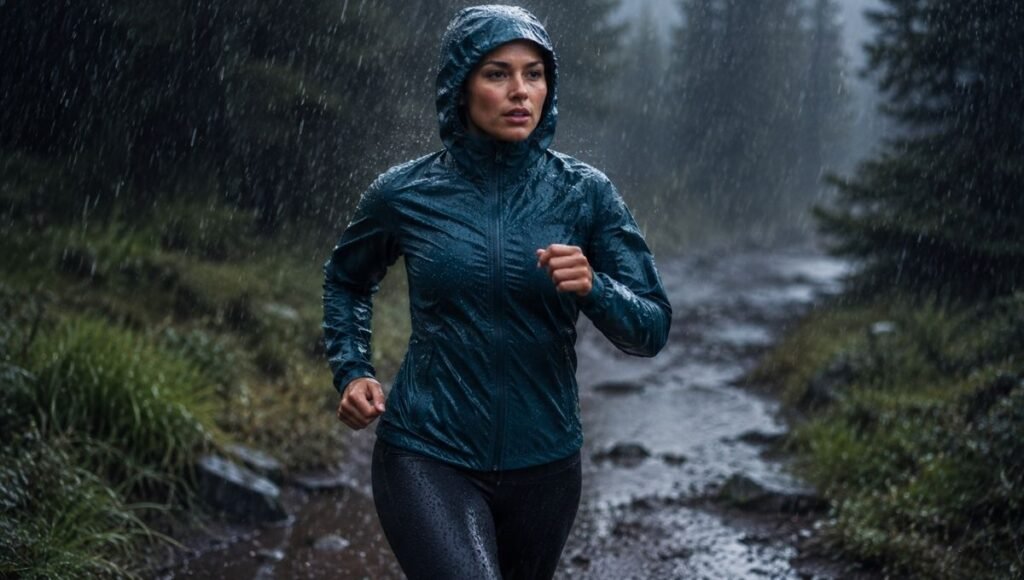
1. Weather Type
Rain, wind, cold — or some combination. This determines the jacket category you need before you look at any specific products.
2. Run Intensity and Duration
A hard tempo run generates significantly more body heat than an easy long run. At high intensity, you need more breathability and less insulation. At easy pace in cold weather, you need more warmth. This is why some runners own both a lightweight windshell (high intensity) and a warmer running jacket (easy and long runs in cold weather).
3. Packability
If you run routes where conditions can change — trail runs that gain elevation, out-and-back routes where you’ll warm up and want to remove the jacket — packability matters. A jacket that compresses into its own pocket is one you’ll actually bring. A bulky jacket is one you’ll leave at home.
4. Visibility
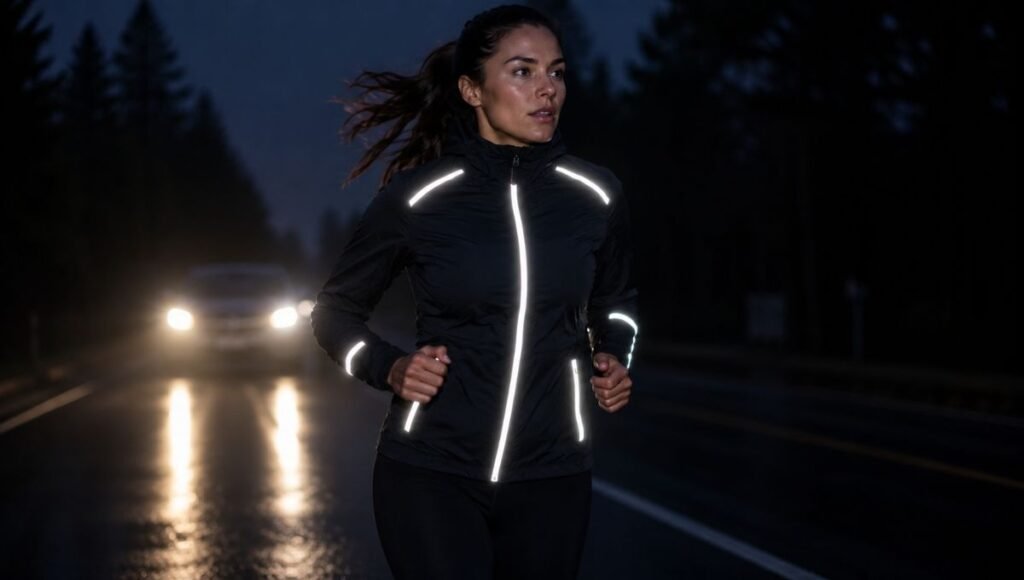
If you run before sunrise or after sunset, reflective elements on your jacket aren’t optional. This is a safety requirement, not a feature upgrade. Running coach Tara Sullivan specifically recommends looking for reflective strips from ankle to hip that activate under car headlights.
The Best Running Jacket for Women in 2026
Best Overall: Janji Rainrunner Pack Jacket 2.0
The Rainrunner 2.0 earns the top spot because it solves the breathability problem that makes most waterproof running jackets feel like running inside a bag. The 360-degree core venting system releases heat during high-intensity running while the waterproof ripstop nylon shell and taped seams keep rain out. The YKK AquaGuard water-repellent zippers seal the ventilation points against water ingress — a detail most brands skip.
It packs into its own pocket with an elastic armband for portability, the scuba-style hood provides coverage without blocking peripheral vision, and the neck zips high enough to prevent chin irritation during longer efforts. At roughly 200g, it’s light enough to forget you’re wearing it until you need it.
Best for: Road running in rain, trail running in variable conditions, any runner whose primary complaint about waterproof jackets is overheating.
Editor’s note: This is the jacket most serious runners end up at after trying cheaper options. The ventilation system is genuinely different from what most brands offer at this price point.
Best Lightweight Windshell: Patagonia Houdini
At 94g, the Houdini packs down to the size of a tennis ball and disappears into a jersey pocket or running vest. The DWR-coated nylon provides meaningful wind protection and handles light drizzle comfortably. It’s not a rain jacket — sustained heavy rain will wet it through — but for the 90% of runs that aren’t in serious rain, it covers everything.
The half-zip design and vent slits provide airflow management that a full-zip can’t match. The cropped length works better for shorter runners; taller runners may find it rides up. Multiple color options including high-visibility choices.
Best for: Cool morning runs, unpredictable spring weather, trail running where you need emergency wind protection without adding pack weight, runners who warm up fast and want something packable to start the run.
Best for Cold Weather Running: Brooks Run Visible Thermal Jacket
The Run Visible earns its name — the reflective detailing activates under headlights across a wide viewing angle, which matters for winter running when darkness and dawn overlap with training windows. Beyond visibility, the thermal fabric provides genuine warmth for cold-weather running without the bulk of a traditional winter jacket.
The fit is athletic without being restrictive, the hood packs into the collar when not needed, and the construction is specifically shaped around running movement rather than just being a general outdoor jacket that also works for running.
Best for: Dawn and dusk running, winter training, runners who prioritize visibility and warmth over waterproofing, fall and early spring conditions.
Best Budget Pick: Baleaf Women’s Running Jacket
For runners who want reliable wind and light rain protection without spending $150+, the Baleaf Women’s Running Jacket covers the basics honestly. Lightweight construction, DWR coating, thumbholes to keep sleeves in place, and a packable design that doesn’t feel like a compromise. The fabric weight is appropriate for 40–55°F running without overheating.
The reflective elements are present but minimal — adequate for occasional low-light running, not for primary use in darkness. Fit runs slightly small; size up if between sizes.
Best for: Beginner runners building their gear kit, backup jackets for rotation, runners who run in mild conditions and don’t need full waterproofing, anyone hesitant to spend premium prices before knowing how often they’ll use a running jacket.
Best for Rain Running: Montane Minimus Lite
The Minimus Lite is built for runners who take weather seriously. The 20,000mm hydrostatic head rating handles sustained heavy rain — not just drizzle — and at 215g (women’s small) it’s light enough that you’re not penalized for the protection level. The GORE-TEX Paclite construction means the waterproofing is genuine, not a marketing claim with an asterisk.
The trade-off is breathability — this is a running jacket for high-rain conditions, not everyday use. At high intensity in the rain, you’ll still generate more moisture than any waterproof membrane can fully evacuate. The answer is starting slightly cold and understanding that some condensation on the inside is normal in serious rain.
Best for: Trail runners in wet climates, runners who train through winter rain, anyone who has been burned by “water-resistant” claims and needs genuine waterproofing.
Best for Visibility and Safety: Nathan HyperNight Reflective Jacket
Designed specifically around visibility, the Nathan HyperNight takes a different approach than jackets that add a few reflective strips as an afterthought. The reflective material is integrated throughout the jacket design, creating 360-degree visibility from multiple angles under headlights.
The wind and light rain protection is solid for its weight class. This isn’t the jacket for serious rain, but for dawn, dusk, and night running — where visibility is the primary concern — nothing on this list performs better for the specific purpose.
Best for: Pre-dawn and post-sunset running, urban running near traffic, any runner who has had a car not see them and wants to prevent it from happening again.
Running Jacket vs Long Sleeve: When Do You Actually Need a Jacket?

This is a question most guides ignore, but it’s one that real runners face every time temperatures drop.
The honest answer: if it’s above 50°F, calm, and dry, a quality moisture-wicking long-sleeve base layer will keep you comfortable for most run lengths. A jacket adds warmth that most runners don’t need at moderate intensity above this temperature.
A jacket earns its place when:
- Wind chill drops the felt temperature below your comfort zone for a long-sleeve alone
- Rain is present or likely
- Temperatures are below 40°F
- You’re running before sunrise or after sunset (visibility)
- You’re doing an easy or long run at lower intensity where you generate less body heat
The practical solution many runners land on: a lightweight packable windshell for the in-between days, and a proper waterproof or thermal jacket for serious conditions. Two jackets covering the full range costs less than one jacket trying to do everything and compromising on all of it.
Running Jacket Mistakes That Cost You Comfort
Buying based on looks rather than weather function. A stylish jacket in the wrong category for your conditions will disappoint every time you wear it in real weather. Decide on waterproof vs windshell vs thermal first, then look at options within that category.
Skipping the fit check for running movement. A jacket that fits well standing still may bind across the shoulders during arm drive, or ride up at the waist during stride. Check that you can swing your arms fully forward without the jacket restricting, and that the hem stays in place when you raise your arms overhead.
Relying on water-resistant for rain that requires waterproof. If you run in climates with significant rain — Pacific Northwest, UK, anywhere with genuine wet seasons — DWR coating is not enough. A waterproof membrane is worth the additional cost.
Washing incorrectly. DWR coatings are degraded by standard detergent residue. Wash running jackets with a technical fabric cleaner and tumble dry on low heat to reactivate the DWR coating. A jacket that seems to have lost its water resistance may just need proper washing and heat treatment.
Never testing in actual conditions before race day. If you’re planning to wear a jacket for a race, test it in real rain or wind conditions at least once before the event. Jackets that feel fine in the store or on a dry run can restrict arm swing, cause shoulder chafing from wet fabric, or overheat unexpectedly at race intensity.
FAQ: What Runners Ask About Running Jackets
What is the difference between a running jacket and a regular jacket? Running jackets are specifically engineered around the biomechanics of running: articulated shoulders for full arm swing without restriction, hem lengths that stay in place during stride, sweat management during sustained high-output exercise, and weight minimization for performance. Regular jackets, including general outdoor jackets, prioritize static warmth and weather protection over movement efficiency.
Is waterproof or water-resistant better for running? It depends on your conditions. For light drizzle and unpredictable weather, water-resistant (DWR) jackets are lighter, more breathable, and usually sufficient. For sustained rain, training in wet climates, or trail running in genuinely wet conditions, waterproof is worth the additional cost and weight. Most runners in temperate climates get more use from a water-resistant windshell than a heavy waterproof jacket.
How do I stop my running jacket from being too hot? Look for jackets with ventilation features: pit zips, back vents, or mesh panels. Start your run slightly cold — you’ll warm up within the first mile, and a jacket that feels right at the start will feel too warm by mile three. Consider a lighter weight jacket than you think you need, or switch to a packable windshell for runs where conditions are borderline.
Should a running jacket be tight or loose? It should fit close to the body without restricting arm swing or breathing. Too loose and the jacket acts as a wind sail, creating drag and flapping discomfort. Too tight and it restricts the shoulder and arm movement that running requires. Try the fit test: stand normally, then simulate running arm drive. If the jacket binds across the back of the shoulders, it’s too small in that dimension.
When should I replace my running jacket? Replace when: the DWR coating no longer responds to washing and heat reactivation, the seam tape in waterproof jackets begins to peel or separate, the zipper fails, or the fabric has worn through at high-friction points like the shoulders from pack straps. Quality running jackets should last 3–5 years with proper care, longer if used seasonally rather than year-round.
The Bottom Line
The best running jacket for women is the one matched to your actual conditions — not the most technical option available, and not the lightest option that leaves you soaked in real rain.
Start with your climate and the conditions you actually run in. If you run mostly in wind and cool temperatures with occasional drizzle, a packable windshell like the Patagonia Houdini covers most of your year. If you run through genuine rain seasons, the Janji Rainrunner 2.0 or Montane Minimus Lite are worth the investment. If winter darkness is your challenge, the Brooks Run Visible or Nathan HyperNight solves the right problem.
One jacket rarely covers everything. Two well-chosen jackets — one lightweight windshell and one serious weather option — handles every condition without compromise.
Building your complete running kit? Check out our guide to the best running leggings for women for cold-weather layering — and what to wear on top with our best running shorts for women guide for the warmer months.
References:
- Sullivan, T. Running Coach, New York Road Runners. Expert commentary on running jacket visibility and safety features. 2025.
- Outdoor Gear Lab. (2025). Best Women’s Running Jackets: 14 products field tested. OutdoorGearLab.
- American College of Sports Medicine. (2023). Cold Weather Exercise: Safety Guidelines. ACSM’s Health & Fitness Journal.
- Treeline Review. (2026). Best Running Jackets for Women: Field tested in all conditions. Treeline Review.